
Mon to Sat 07 am to 06 pm
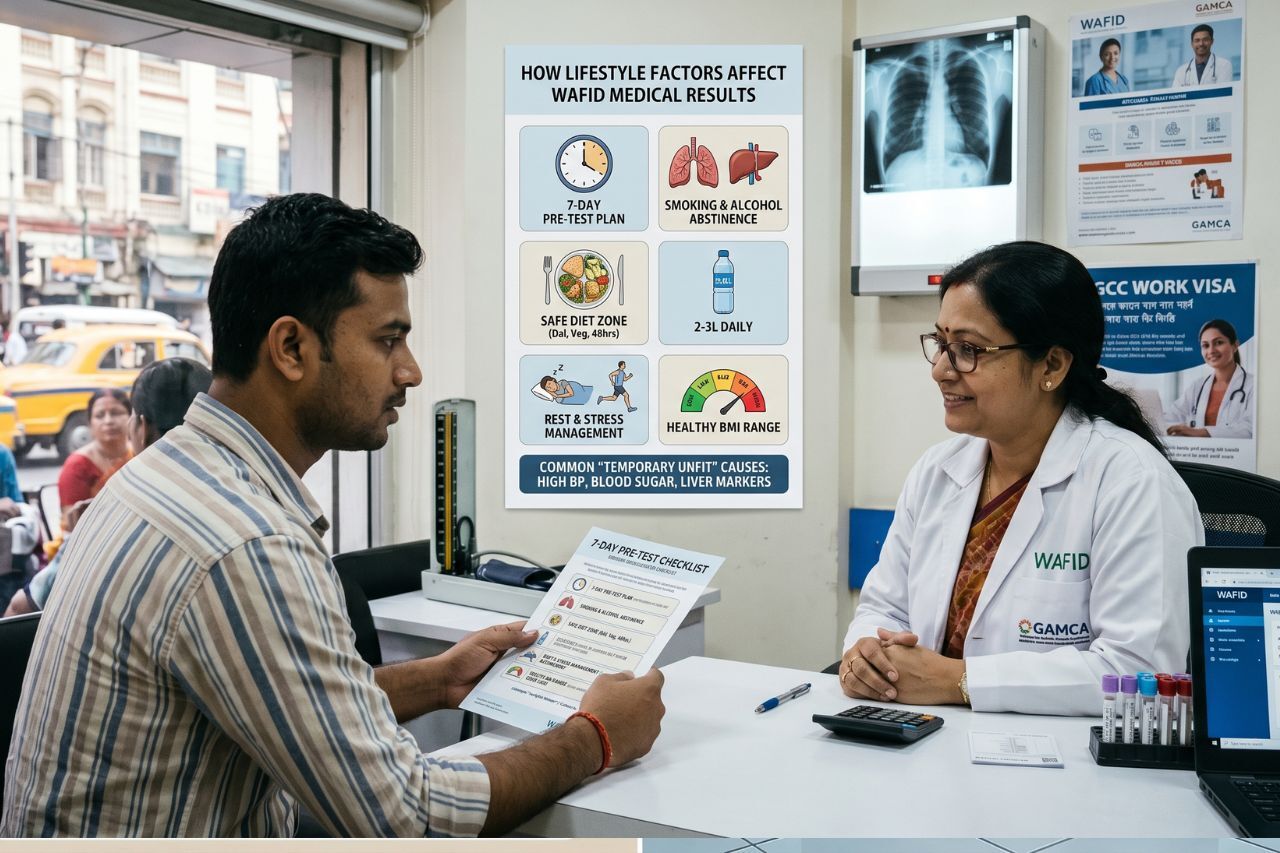
Medical examinations conducted under the Gulf Approved Medical Centres Association are not just about detecting infectious diseases, they also assess an applicant’s overall health condition. Lifestyle factors such as diet, habits, and daily routines can significantly influence test results, sometimes leading to a “UNFIT” or “TEMPORARILY UNFIT” classification, especially under stricter GCC health regulations.
Smoking directly affects chest X-ray results, which may show lung abnormalities, increased risk of suspected Tuberculosis (TB) findings, and reduced lung capacity. Even if TB is not present, abnormal X-rays can lead to additional testing, delays, or temporary unfitness.
Although alcohol testing is not always explicit, excessive consumption can affect liver function tests (LFTs) and elevate liver enzymes (AST, ALT), raising suspicion of liver disease. Abnormal liver results may trigger further medical evaluation, particularly for jobs involving food handling or healthcare.
Unhealthy eating habits can lead to high cholesterol levels, fatty liver conditions, and obesity-related complications. While obesity alone may not always lead to rejection, it can affect fitness for physically demanding jobs and increase scrutiny in high-risk job categories.
Use of narcotics or banned substances is a critical factor. Drug screening may be conducted in certain cases, and any detection of illegal substances leads to automatic UNFIT status. Strict zero-tolerance policies across GCC countries result in visa rejection and possible bans.
Sedentary lifestyles can contribute to poor cardiovascular health, weak physical fitness, and increased BMI. For labor-intensive roles, this may influence the overall fitness assessment, even if infectious disease tests are clear.
This factor is indirectly linked to a higher risk of HIV/AIDS and increased exposure to Hepatitis B & C. Positive results for these conditions typically result in permanent unfitness under GCC regulations.
Lifestyle environments also matter as poor sanitation increases the risk of infections and higher exposure to communicable diseases. This may lead to positive findings in stool tests, skin conditions, or infectious disease screenings.
Lifestyle factors can influence results in two ways:
Temporary Impact: High liver enzymes, minor infections, or nutritional imbalances can often be corrected before re-testing.
Permanent Impact: Chronic diseases linked to long-term habits, HIV, untreated TB, or substance abuse detection often lead to permanent restrictions.
Lifestyle factors are more strictly evaluated for high-risk roles: food handlers undergo stricter hygiene checks, domestic workers face close-contact health scrutiny, and healthcare workers have zero tolerance for communicable diseases. This reflects policies enforced under GCC health frameworks.
To improve chances of a “FIT” result, avoid alcohol for at least 1–2 weeks before testing, quit or reduce smoking, and maintain a balanced diet. It is also advised to stay hydrated, get adequate sleep, avoid risky behaviors, and undergo a pre-medical checkup locally.
Lifestyle-related medical outcomes have legal consequences: “UNFIT” status leads to visa rejection, and repeated failures can result in entry restrictions or employment cancellations. Under the GCC regulatory framework, these results are binding and digitally recorded.
Lifestyle factors play a crucial role in determining outcomes under the Gulf Approved Medical Centres Association (WAFID) system. While the regulations primarily target infectious diseases, overall health indicators influenced by daily habits can significantly affect final classifications. Adopting a healthy lifestyle before undergoing medical screening is not just advisable; it can be the difference between approval and rejection for GCC employment opportunities.