
Mon to Sat 07 am to 06 pm
Reports on medical fitness are essential for processing job visas for GCC nations. However, a medical report may occasionally expire prior to visa stamping due to delays in employer processing, embassy appointments, or documents. This circumstance is more frequent than most applicants think, and it is manageable with the right approach.
GAMCA conducts pre-employment medical screenings to ensure workers are fit for their roles. For drivers and heavy vehicle operators, health standards are carefully assessed due to:
Responsibility for passenger and cargo safety
Long driving hours
High physical and mental alertness requirements
Risk of accidents caused by medical emergencies
Even minor medical conditions may require closer evaluation when the job involves operating buses, trucks, or heavy machinery.
The GAMCA medical test for drivers includes all standard examinations required for other workers, along with particular attention to vision and overall fitness.
Screening for HIV, Hepatitis B and C, Syphilis, and general blood health indicators.
Conducted to detect Tuberculosis, lung abnormalities, or chronic respiratory conditions. Active TB results in immediate medical unfitness.
Used to identify kidney disorders, diabetes indicators, and general metabolic issues.
Drivers are subject to strict drug screening. Positive results for narcotics or prohibited substances typically lead to automatic rejection.
Vision is one of the most critical components of the medical evaluation for drivers. The examining physician checks:
Visual acuity (clarity of vision)
Color vision
Peripheral vision
Depth perception
Severe visual impairment may result in medical unfitness, especially if it cannot be corrected with glasses or contact lenses. Applicants who wear corrective lenses must inform the medical examiner.
Because sudden medical emergencies can pose serious road safety risks, drivers are evaluated for:
High blood pressure
Heart disease
History of fainting or seizures
Neurological disorders
Uncontrolled epilepsy, severe heart conditions, or recurrent blackouts may disqualify an applicant from being declared medically fit for driving roles.
Drivers and heavy vehicle operators may be declared unfit due to:
Active tuberculosis
Positive drug test
Severe visual impairment
Uncontrolled diabetes
Epilepsy or seizure disorders
Serious cardiovascular conditions
Final decisions depend on GCC country regulations and the severity of the condition.
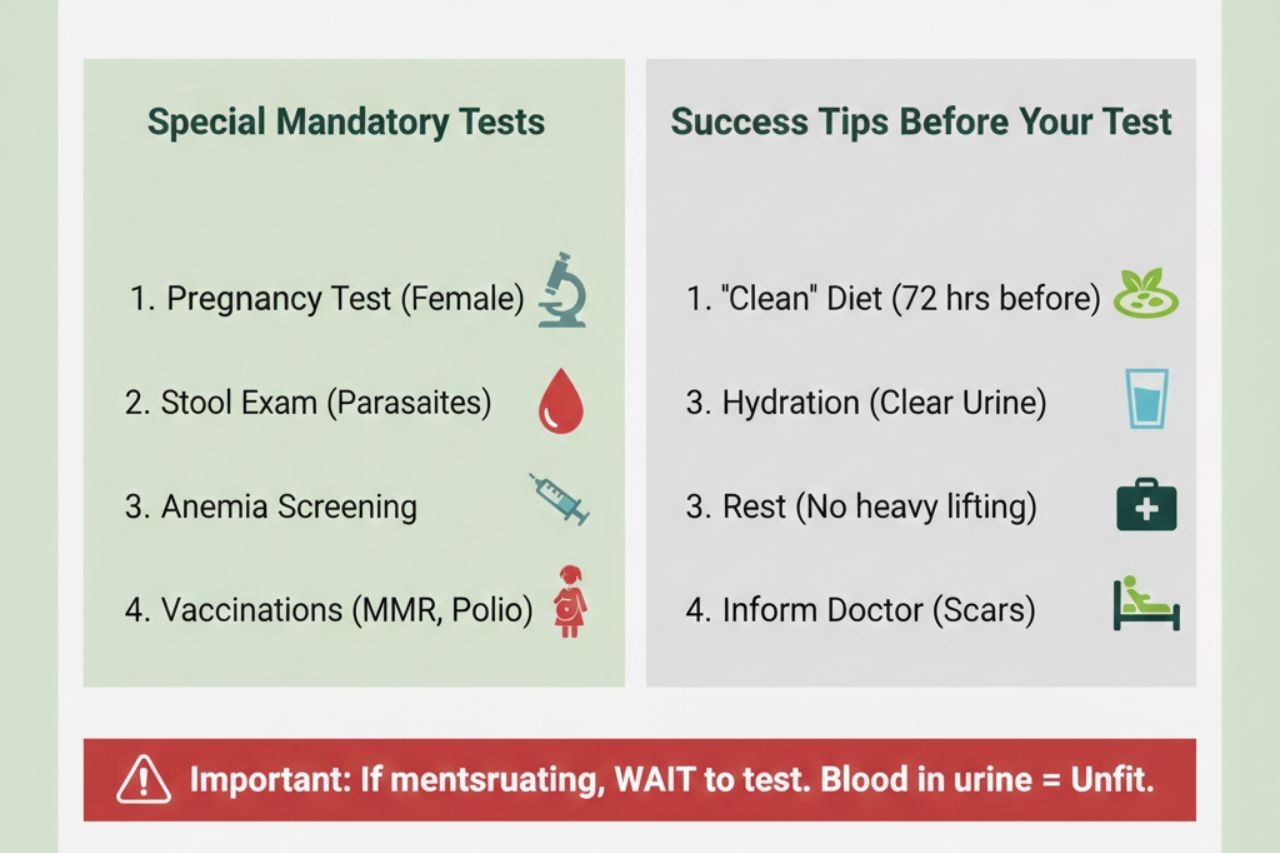
To improve the likelihood of medical clearance:
Ensure blood pressure is well controlled
Manage diabetes properly, if applicable
Avoid alcohol and prohibited substances
Get adequate rest before the test
Carry medical records if previously treated for any condition
Honest disclosure and proper documentation help prevent unnecessary delays.
The GAMCA medical examination for drivers is designed not only to protect the individual worker but also to safeguard passengers, other motorists, and public infrastructure. Medical fitness standards are aligned with occupational safety requirements in GCC countries.
Comprehensive screening is part of the GAMCA medical exam for drivers and heavy vehicle operators, with special attention paid to vision, cardiovascular health, neurological stability, and drug-free status. Medical requirements are strictly followed since driving positions are safety-sensitive.
Candidates can approach the test with confidence and increase their chances of having their visas processed successfully if they handle any pre-existing medical issues, prepare well, and visit approved GAMCA medical facilities.